Gas Line Installation in Niagara: A TSSA-Certified Guide for Home & Business Owners
September 8, 2026
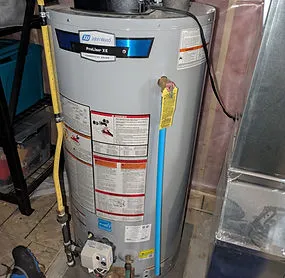
The key planning, safety, and approval questions to answer before adding or changing a natural gas appliance in Niagara.
Why gas line installation in Niagara needs certified planning
Gas line installation in Niagara is a safety-critical project that should be planned and completed by a TSSA-certified gas technician. A new barbecue, range, fireplace, dryer, pool heater, or commercial appliance can affect pipe sizing, gas pressure, ventilation, clearances, and the capacity of the existing supply.
The correct installation is more than running a pipe to a new appliance. It includes confirming the fuel type, tracing the existing system, selecting approved materials and fittings, completing the connection, testing for leaks, and documenting any inspection or permit requirements that apply to the property.
Plan the appliance and the route before work begins
Start with the appliance specifications and the location where it will be installed. A technician needs to know the appliance input rating, connection point, required shutoff, venting instructions, and minimum clearances. For a business, the plan may also need to account for several appliances operating at the same time and the layout of the mechanical room.
The route should protect the line from damage and leave serviceable access to valves and connections. Exterior runs, finished walls, crawl spaces, and commercial ceilings each create different coordination needs. Plan for delivery, future maintenance, and any other trades that may be working in the same area.
Permits, inspections, and TSSA requirements
Permit and inspection requirements can vary by municipality, project scope, and building type. Ask who is responsible for confirming the required approvals before work starts and keep documentation with the property records. The [Technical Standards and Safety Authority](https://www.tssa.org/) provides Ontario oversight for fuel safety and licensing requirements.
Using a licensed, certified professional matters because the work must meet the applicable Ontario fuel safety rules, manufacturer instructions, and local requirements. Do not cover or close access to new work until required testing and inspections have been completed.
What a proper installation and safety test includes
A qualified technician checks the existing supply, confirms materials and fittings, installs the shutoff and connector appropriate to the appliance, and verifies the line is supported and protected. The system is then tested according to the applicable code and procedures before the appliance is put into service.
Commissioning also includes checking the appliance operation, burner or ignition performance, venting where applicable, and the surrounding clearances. A gas appliance should not be left running simply because it lights; it needs to operate safely under the conditions it was designed for.
- Confirm the gas type and appliance input rating
- Check line capacity and pressure under load
- Install accessible shutoffs and approved connectors
- Test connections and verify appliance operation
- Record approvals, service details, and maintenance needs
Warning signs that need immediate attention
Leave the area and call the gas utility or emergency services if you smell gas, hear a hissing sound, see damaged piping, or notice symptoms such as dizziness or nausea. Do not operate electrical switches, use a phone indoors, or try to locate the leak with a flame. A carbon monoxide alarm is an important layer of protection, but it does not replace proper installation and maintenance.
Yellow or unstable flames, soot, repeated pilot outages, condensation, or an appliance that shuts down unexpectedly are also reasons to stop using the appliance and arrange a qualified assessment.
Home and business questions to ask before hiring
Ask whether the professional is qualified for the gas work, what is included in the estimate, which permits or inspections may apply, and how the final test will be documented. Confirm who supplies the appliance, whether the existing line needs an upgrade, and what access or shutdown time the project requires.
For a Niagara home or business, good communication is part of safe service. Share the appliance manual, site photos, and desired installation date before the appointment. To discuss a new connection or an existing concern, [contact Mathew Appliance and Gas Services](/#contact) with the appliance details and property location.
Need help with your appliance or gas service?
Share the appliance model, the symptoms, and your Niagara-area location so the team can recommend the right next step.
Contact the team